
 HQ/EMEAFind out how we can help your business
Artificial Intelligence (AI) has evolved from futuristic fiction to a core driver of global transformation. It now powers hospitals, classrooms, governments, and businesses across every continent.
But as AI becomes more integrated into everyday life, a critical question arises: Is AI a global gift—or a growing threat?
The Gift: Global Opportunities of AI
AI has transformative power all around the world—especially in places where resources are stretched, traditional systems are slow, or inequities are deeply rooted. Here are some global opportunities, backed by real examples, showing how AI is already uplifting societies—and how it could go further.
1. Smarter Healthcare
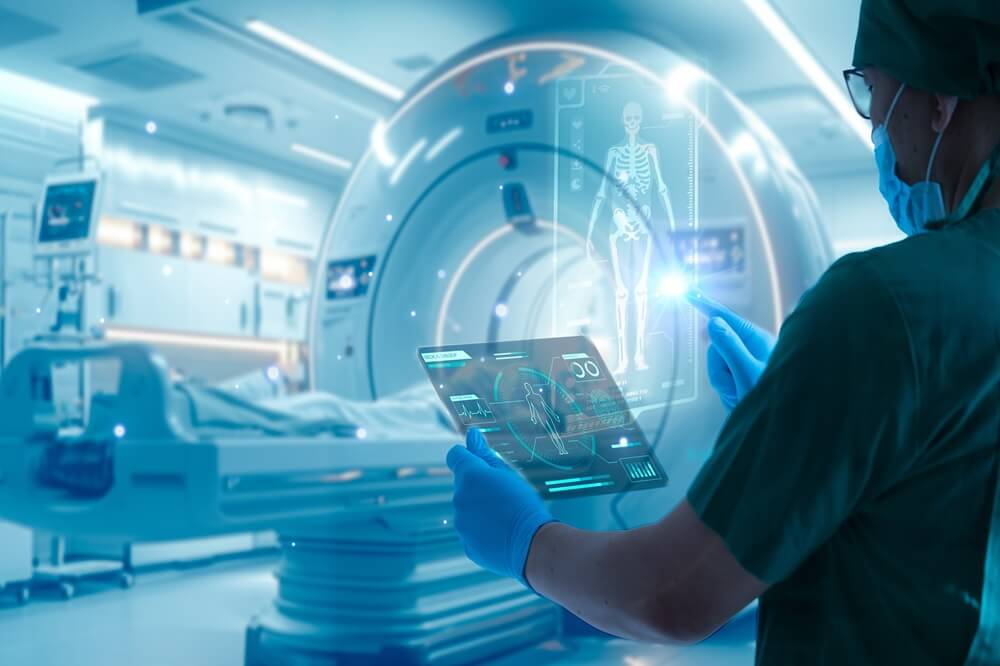
AI is revolutionizing medical care, especially in underserved areas.
- Qure.ai (India) uses AI to detect tuberculosis from X-rays in rural clinics.
- The UK’s NHS employs AI for early-stage cancer detection, cutting patient wait times by over 50%.
- Cedars-Sinai’s CS Connect (U.S.) automates patient intake and symptom checks, freeing up doctors for hands-on care.
These tools are saving lives, improving efficiency, and expanding access to quality healthcare.
2. Smarter Education
AI-driven learning platforms like Duolingo Max, Korbit, and Squirrel AI personalize lessons to each student’s needs.
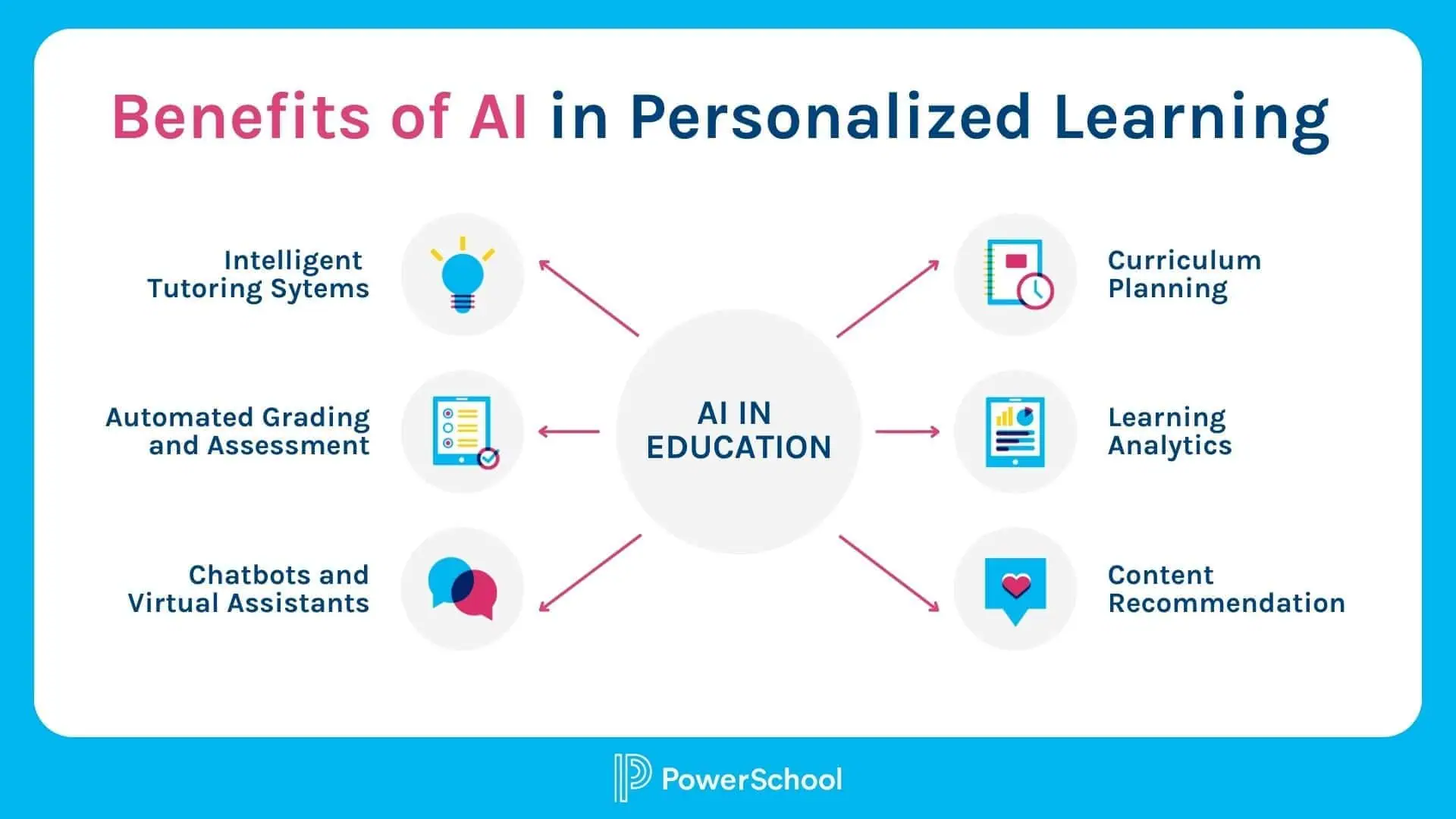
Meanwhile, Microsoft’s Immersive Reader supports learners with disabilities and multilingual students. Countries like Finland and South Korea now integrate AI into national education programs, showing how technology can make learning more inclusive and effective.
3. Transparent Governance
AI helps governments deliver smarter, fairer public services.
- In Albania, a virtual AI “minister” named Diella monitors public procurement to reduce corruption.
- Around the world, AI supports disaster forecasting, urban traffic management, and resource planning, improving response times and transparency.
4. Preserving Culture and Driving Innovation
India’s Traditional Knowledge Digital Library (TKDL) uses AI to digitize centuries of traditional medicine and protect indigenous wisdom from exploitation.
In business, AI enables smarter decision-making—from predictive analytics to virtual healthcare startups—creating new opportunities for global competitiveness.
The Threat: When AI Turns Against Us
AI’s potential for harm mirrors its capacity for good. Without governance, oversight, and ethical design, the same systems that empower can also exploit.
1. Disinformation and Deepfakes
AI-generated misinformation is one of the most urgent global threats. Deepfake videos, synthetic voices, and fabricated news articles can now be produced in minutes, eroding public trust and destabilizing democracies.
- AI-generated videos and voices can easily spread political lies or fake news.
- The World Economic Forum’s 2024 Global Risks Report names “AI-driven misinformation” as a top global threat—showing how technology can undermine truth itself.
2. AI-Driven Cybercrime
ACybercriminals now use generative AI to craft phishing scams and deepfake frauds. In Hong Kong, an AI-generated video of a CFO led to a $25 million corporate theft. IBM reports that AI-powered attacks have surged 62% globally.
3. Bias and Inequality
From hiring algorithms to facial recognition systems, AI can unintentionally reinforce social and racial bias. If not properly monitored, these systems can discriminate—widening existing inequalities.
4. Job Displacement
According to Goldman Sachs, AI automation could replace 300 million jobs by 2030.
While new roles will emerge, developing nations face challenges in reskilling workers fast enough to keep pace with change.
5. Surveillance and Weaponization
AI is also being used for mass surveillance and autonomous warfare, raising deep ethical concerns.
From facial recognition in China to military AI systems in the U.S. and Europe, the world faces an urgent need for global regulation before machines make life-and-death decisions.
The Skills Gap: Dividing the Digital World
The World Economic Forum (2025) reports a 40% increase in demand for AI experts—but the global supply remains low.
While countries like Singapore and Germany are investing in AI upskilling, many developing regions lack digital infrastructure or training programs.
Without inclusive education and workforce reskilling, the AI revolution could create a two-tiered world: innovators on one side, and the digitally excluded on the other.
Building Responsible AI: A Global Movement
Governments, corporations, and institutions are responding with frameworks to guide ethical AI development:
- EU AI Act (2024) – First global legal framework regulating AI by risk category and banning real-time biometric surveillance.
- U.S. AI Bill of Rights – Promotes fairness, privacy, and transparency in automated systems.
- UNESCO’s AI Ethics Recommendation – Adopted by 193 nations to encourage inclusive, human-centered innovation.
- Private Sector Initiatives – Companies like OpenAI, Microsoft, and IBM are advancing safety research and promoting responsible AI practices.
These collective efforts highlight a growing global consensus: innovation must always align with ethics and accountability.
The Verdict: AI’s Future Is in Human Hands
Artificial Intelligence is both a gift and a warning. It holds the promise to cure diseases, improve education, and solve complex global challenges—but it also threatens privacy, equality, and stability when misused.
The question is not whether AI will shape the world, but how we choose to shape it.
If guided by responsibility and transparency, AI will remain one of humanity’s greatest achievements. But if driven by neglect or greed, it could become one of its most dangerous creations.
“AI’s impact will not be determined by its capability, but by humanity’s capacity to direct it responsibly.” — World Economic Forum, Global Risks Report 2024
AI is not our destiny—it’s our design. The decisions we make today will define whether it becomes a true global gift or a growing threat to the world we share.
