 HQ/EMEAFind out how we can help your business
Executive Summary
HIME666, an online group, claims to have leaked a trove of CIA hacking tools and manuals. They call the archive “Year Zero” and say it contains 8,761 documents and files stolen from a high-security CIA network. If genuine, the materials could expose U.S. cyber-operations and help adversaries weaponize CIA-grade tools. However, the authenticity of the data has not been verified.
Introduction
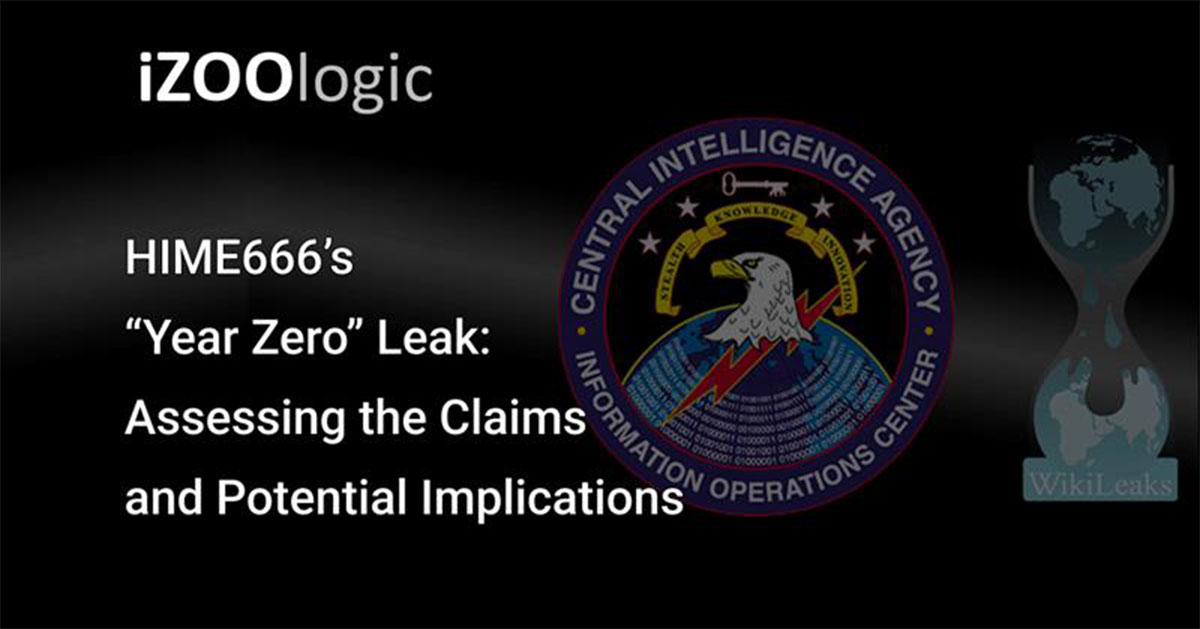
On 13 September 2025, HIME666 announced the release of “Year Zero,” claiming it includes thousands of documents and source code from the CIA’s Center for Cyber Intelligence. This article assesses the group’s claims, puts them in historical context and explains what organizations should watch out for.
A Leak with Precedent
HIME666 says their leak follows a smaller disclosure last month about CIA interference in the 2012 French presidential election. They also draw parallels with Vault 7, the 2017 WikiLeaks release of CIA hacking tools. This framing suggests the current leak may recycle or expand on earlier disclosures.
Claims of a Lost Arsenal
HIME666 asserts the CIA has lost control of most of its hacking arsenal. They say the archive includes:
- Malware, trojans and viruses
- Weaponized zero-day exploits
- Remote control systems
- Extensive documentation
The group claims this amounts to hundreds of millions of lines of code—enough to duplicate the CIA’s entire hacking capacity. They also allege the files circulated privately among ex-government hackers and contractors before surfacing publicly.
WikiLeaks Connection
According to the announcement, parts of the archive may have been shared with WikiLeaks, a group known for publishing leaked government materials. This echoes the Vault 7 disclosures and, if true, could lend credibility. However, researchers have not yet verified the files, so the claimed link to WikiLeaks is unproven.
Security Implications
If the archive is genuine, it would be the most damaging breach of CIA offensive cyber capabilities since Vault 7. Analysts warn that releasing zero-day exploits, malware frameworks and internal documentation could:
- Expose U.S. cyber-operations to adversaries
- Help hostile actors weaponize CIA-grade tools
- Undermine intelligence-gathering strategies that depend on secrecy
They also note that the leak’s scale highlights ongoing risks from insiders, contractors and the spread of powerful cyber tools outside government control.
Uncertain Consequences
Despite the dramatic claims, there is reason to be sceptical. Cybercriminal groups often exaggerate or recycle old leaks to gain attention. Without forensic analysis, it is hard to tell whether the data is genuine or repurposed. Even if “Year Zero” is just a rebranding of older leaks, organizations should take precautions.
Recommendations for Organizations
- Monitor threat feeds for indicators of compromise linked to CIA-grade tools.
- Apply security patches promptly and maintain strong vulnerability management.
- Strengthen insider-threat detection, especially for contractors and privileged users.
- Review and rehearse incident-response plans to prepare for attacks using repurposed malware or exploits.
- Work with trusted threat-intelligence partners to evaluate the leak and refine defensive measures.
Conclusion
The HIME666 “Year Zero” leak, if genuine, could mark a serious compromise of CIA cyber-capabilities and pose major risks to organizations worldwide. Yet the material has not been independently verified, and parts of it may simply repackage older leaks, so caution is warranted. Security teams should stay vigilant, prioritise defensive controls and monitor new developments.
