Financial Malware

Financial Malware
Microsoft Skype for Business’ Feature Analyzed: Shares More than What You Wanted

Microsoft Skype for Business’ Feature Analyzed : Shares More than What You Wanted

December 26, 2018

Let’s say you wanted to do a conference call using…

Russian Fancy Bear Hacking Group Takes Advantage of UEFI Rootkit

Russian Fancy Bear Hacking Group Takes Advantage of UEFI Rootkit

December 24, 2018

What is the issue? Some of us are aware that…

The Horrible Truth About Facebook Games And Quizzes

The Horrible Truth About Facebook Games And Quizzes

December 23, 2018

I am encouraging everyone to never participate in a Facebook…

Best Malware Scanner

Local Library in Annapolis Infected by EmoTet Malware

December 22, 2018

Anne Arundel County Library computers were just exposed to a…

Apple iOS 12 Just Got Jailbroken

Apple iOS 12 Just Got Jailbroken

December 17, 2018

Yet another terrible news for Apple. Pangu – The Chinese…

Warning: Zombie BotNets on IoT

Warning: Zombie BotNets on IoT

December 17, 2018

The phantoms and devils of October have traveled every which…

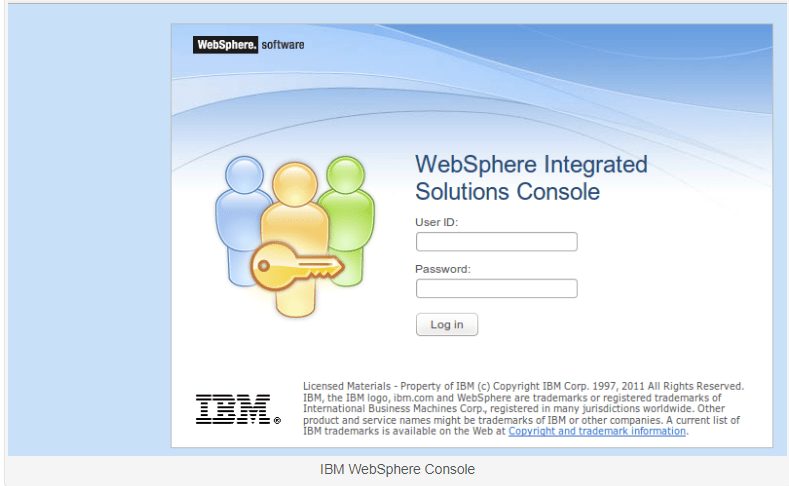
IBM WebSphere is a software framework and middleware that hosts Java-based web applications. This means that it’s similar to Adobe’s Flash Player, in a way that it allows Java-based applications to run on a web browser. This also means that since it hosts Java-based content, any and all information on sessions involving such applications will be taken note of, until the next time that the Java application is accessed. This threat is performed through inserting Java-based code on an application being ran, and this code is enough to send copies of information that’s been input towards a different location. For example: you’re playing a Java-based game on your browser and made an in-game purchase. For these purchases to take effect, you will have to input your credit card information, as well as other personal information that they will keep on file. If the vulnerabilities on WebSphere have been exploited, a code has already been inserted towards the page wherein you input the said information, and sends copies of It to a location where the perpetrator has access to, hence, immediately putting your financial security at risk. This is a form of injected phishing that targets a specific platform, and millions have been victims of such an activity. The reported affected versions of WebSphere are as follows: IBM WebSphere Application Server 9.0 versions prior to 9.0.0.10, with an interim fix on version 9.0.0.9 that has since been attacked IBM WebSphere Application Server 8.5 versions prior to 8.5.5.15, with an interim fix on version 8.5.5.14 that has since been attacked IBM WebSphere Application Server 8.0 versions prior to 8.0.0.15 IBM WebSphere Application Server 7.0 versions prior to 7.0.0.45 The interim fixes have been attacked primarily due to government institutions making use of this platform. This issue is due to the unsafe handling of JAVA object de-serialization through the SOAP connector. An attacker can exploit this issue by sending a specially crafted object through the SOAP connector. Upon successful exploitation, the attacker can then have full privileges on the platform, which allows them to edit, create, delete and export data with no inhibitions. That’s a major threat. There are several preventive measures that we can apply to try and mitigate the damage this can cause: Upgrade to the latest version of IBM WebSphere Application Server Verify no unauthorised system modifications have occurred before applying any patches Apply the principle of Least Privilege to all systems and services Remind users not to visit websites or follow links that come from untrusted sources These are not absolute fixes, but these can help reduce the risk of being exposed to this vulnerability. Until IBM designs a vaccine for this threat, this would be our best course of action.

IBM WebSphere Application Vulnerability Remote Code Execution

December 15, 2018

IBM WebSphere is a software framework and middle ware that…

Government Malware Online

The US Military Just Publicly Dumped Russian Government Malware Online

December 15, 2018

Joint effort In an effort to improve information sharing Cybersecurity…

The Crypto-Criminal Bar Brawl

The Crypto-Criminal Bar Brawl

December 14, 2018

CryptoLocker made it into the scene in 2013 that really…

Cobalt Threat Group Dishing Out SpicyOmelette

Cobalt Threat Group Dishing Out SpicyOmelette

December 10, 2018

Cobalt Gang, also known as Gold Kingswood, is spreading SpicyOmelette…