 HQ/EMEAFind out how we can help your business
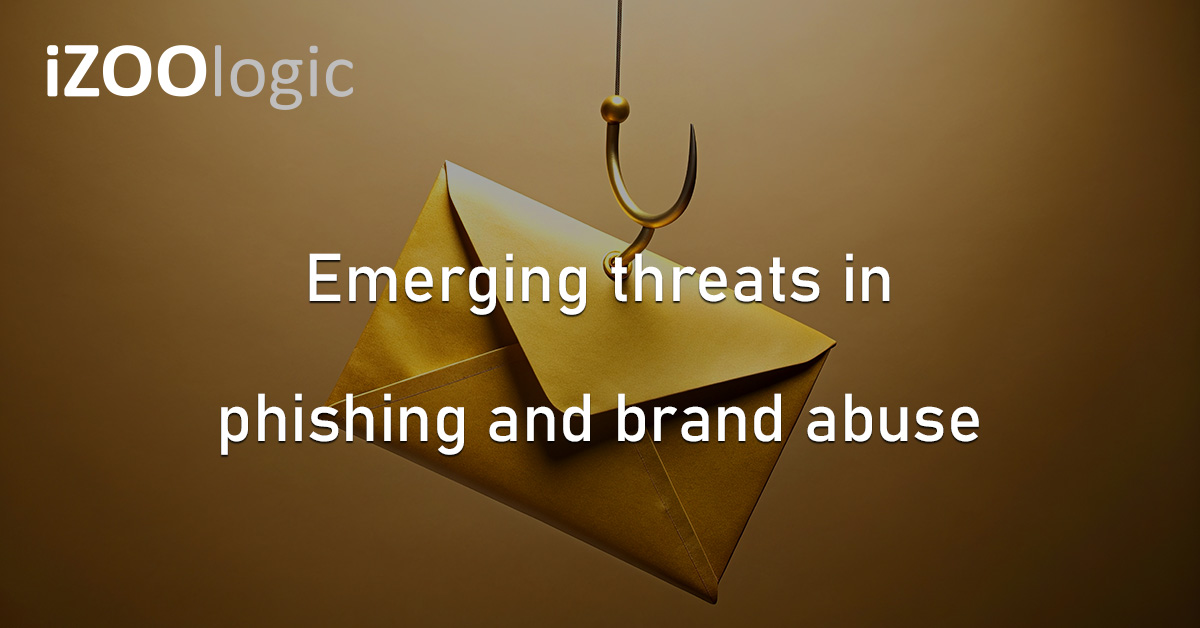
Incidents of phishing and brand abuse have grown into more common attacks aimed at banks and financial organisations. Our most recent findings highlight an apparent increase in complex attacks meant to deceive users, steal credentials, and access financial assets.
Summary of Incidents
Primarily in the banking and finance industries, attackers have been aggressively building fraudulent websites resembling the targeted companies’ official pages. These harmful websites use genuine branding components, including logos, designs, and colour palettes, to convincingly trick users into providing sensitive information.
Typical Attack Strategies
Most events include website impersonation, in which hackers copy login pages and deliberately insert credible links—such as “Contact Us” or “About Us”—to send people to the real website, strengthening the illusion of authenticity. Mainly aiming at credential harvesting and financial theft, this approach exploits users’ confidence to obtain illegal access to money.
Rapid Response and Mitigation Plans
Our Security Operations Centre (SOC) takes quick action upon finding:
- We quickly notify impacted companies to confirm questionable behaviour and enable quick reactions.
- Engagement with domain registrars and web hosting companies to hasten the removal of fraudulent websites under formal takedown requests.
- Using tools like Google Safe Browsing and Mozilla Safe Browsing to send out instant alerts helps to protect users from accidentally visiting harmful sites.
Cooperation’s Efficacy
Web hosts, registrars, and social media platforms differ significantly in their responsiveness. While some quickly follow removal requests, others could need significant proof or more research, sometimes calling for escalation to legal or cybersecurity agencies like CERT or ICANN.
Impact Prevention and Resolution Timeline
Depending on provider responsiveness, resolution timelines range from minutes to several days. Notwithstanding these differences, proactive notification significantly reduces possible damage by enabling companies to promptly notify consumers, lowering exposure to credential theft, financial loss, and reputational harm.
Suggested Preventative Actions
After an event, we stress essential actions to reduce the following risks:
- Encouraging careful online behaviour, checking URL legitimacy, and steering clear of dubious links help to increase user vigilance.
- Security can be added using two-factor authentication (2FA) on vital systems and accounts.
- Proactive Monitoring Services: Telling customers to use anti-phishing and brand protection tools to find and quickly handle developing risks.
Regulatory and Compliance Harmonisation
Our advice clearly covers local Data Privacy Acts and GDPR, among other legal frameworks. Harmonising security measures with these criteria helps customers guarantee legal compliance, reduce legal risk, and build trust with clients and regulatory bodies.
